Home · Blog · Guests and operations
Guest ID verification for vacation rentals, inns and motels: what you can ask for, what to keep and how to do it remotely

Dmitrij Sitki · lead engineer at ReceptionGO
Published October 21, 2026 · 7 min read
US law does not require vacation rental hosts to check ID, but you may require it as a condition of the booking, and many cities require hotels and motels to keep a guest register. Verifying the name, photo ID and age of the guest before releasing the door code is the most effective defense against parties, fraud and chargebacks.
We set up online check-in, payments and door codes with you, free. →
Most vacation rental problems start with someone the host never actually identified: the 19-year-old who booked “a quiet weekend with family”, the card that turns out to be stolen, the four guests who become twelve. Motels and small inns fight a different version of the same problem. Verifying ID is not a sign of suspicion; it simply means knowing who is in your property before you hand over the keys.
What the law says
- Vacation rentals: no federal or general state law requires ID checks. You can require them contractually. Some cities’ short-term rental rules require you to keep guest records or to enforce occupancy limits, which in practice means knowing who is there.
- Hotels and motels: many city codes require a guest register with name, address and often vehicle details, and some require photo ID at check-in — often tied to efforts against crime and human trafficking. In City of Los Angeles v. Patel (2015) the Supreme Court held that police cannot inspect registers without a chance for pre-compliance review; the duty to keep them remained.
- Trafficking awareness: several states require hotel and motel staff training and posted hotline notices. A front desk that sees ID and who is checking in is part of that picture.
Why it is worth it
| Risk | How ID verification helps |
|---|---|
| Parties and over-occupancy | An adult, named and verified, has accepted the rules; age minimums can be checked |
| Stolen cards and fraud | Name on the ID can be matched to the booking and card |
| Chargebacks | Verified identity + accepted terms + entry log = compelling evidence |
| Damage claims | You know who to pursue, and your terms are on record |
| Neighbor complaints and city enforcement | You can show who stayed and how many |
Fair housing and nondiscrimination
Federal civil rights law, state public accommodation laws and every major platform’s nondiscrimination policy forbid treating guests differently because of race, color, religion, national origin, sex, disability, familial status or other protected characteristics. The safe rule: one policy, applied to everyone. If you require ID, require it from every lead guest. If you set an age minimum, apply it to every booking.
A remote verification flow
- Disclose it. “Photo ID and online check-in required before arrival” in the listing, house rules and confirmation.
- Send the check-in link 3–7 days before arrival.
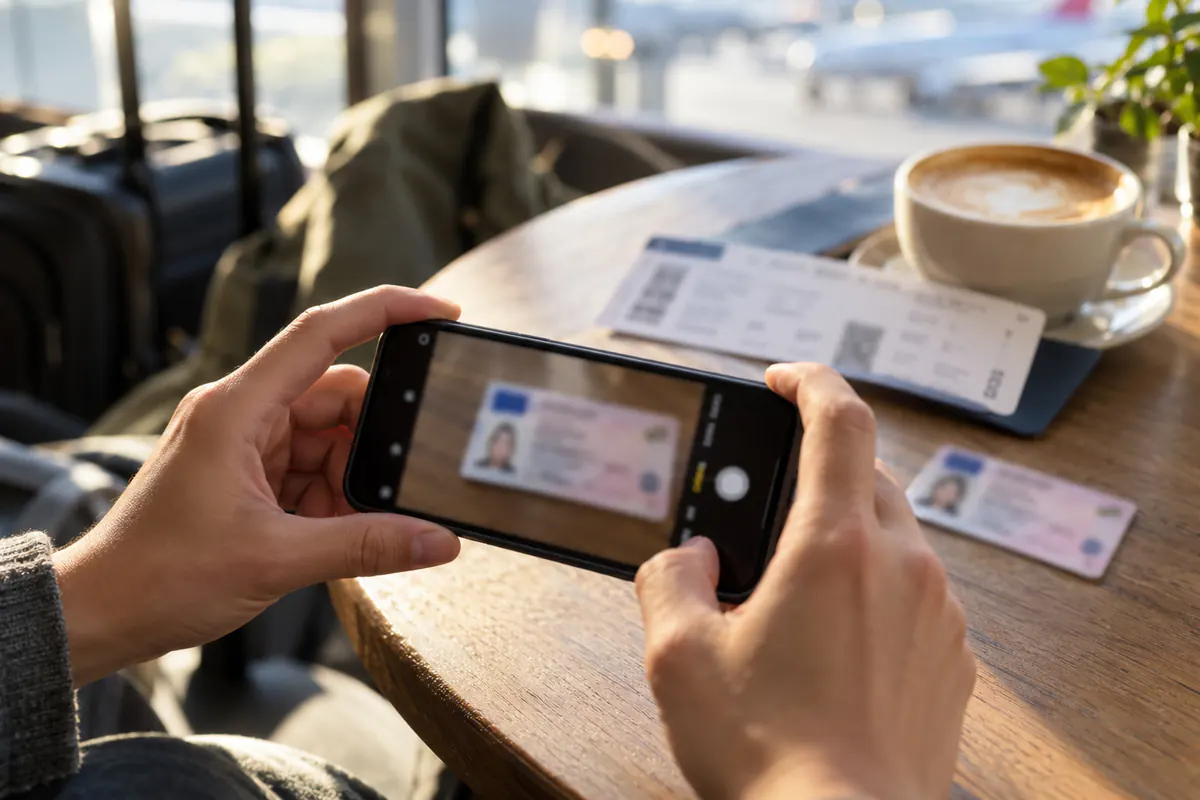
- Scan the ID: driver’s license or passport, read automatically — no photos by text message.
- Confirm the details: guest count, arrival time, vehicle if parking is limited.
- Accept the rules: no parties, quiet hours, occupancy, minimum age.
- Collect the balance or deposit by card if your terms provide for it.
- Release the code only when the steps are complete.
Privacy: collect less, keep it shorter
- Collect what you need: name, date of birth, document type and number. Do not store full images longer than needed.
- Biometrics: selfie-to-ID face matching creates biometric identifiers. Illinois (BIPA), Texas and Washington regulate them; BIPA requires written consent and allows lawsuits. Avoid it unless you have a clear compliance plan.
- State privacy laws such as the CCPA apply to larger businesses; even if you are below the thresholds, a short privacy notice and a retention period are good practice.
- Security: never keep guest IDs in a shared phone gallery or email inbox.
Motels and small inns
For motels, the online check-in replaces the most exposed part of the night shift: the 2am walk-in with cash and no booking. Prepaid, verified reservations with a door code for the room let a small property run a lean night with fewer confrontations — and keep the guest register complete for local requirements. Group bookings with several rooms can share one verified lead guest and one code for the entrance and each room.
Whether your city also requires registration, occupancy limits or a local contact is covered in short-term rental laws by city. For smart lock choices, see smart locks for hotels and rentals.
Frequently asked questions
Can I require guests to show ID for a vacation rental?
Yes. There is no federal rule against it, and you can make ID verification a condition of the booking as long as you apply it to every guest equally. State it in your listing and terms before the guest books. Airbnb also verifies identity on its side, but does not share the document with you.
Do motels have to check ID?
Many cities and some states require hotels and motels to keep a guest register — typically name, address, vehicle and sometimes ID details — and some require photo ID at check-in. The Supreme Court’s Patel decision (2015) struck down warrantless police inspection of those registers, not the duty to keep them.
Can I set a minimum age of 21 or 25?
Generally yes: age is not a protected class for public accommodations in most states, and many properties require the lead guest to be 21 or 25. Airbnb requires guests to be 18 to book. Check your state and city — a few local laws restrict age-based rules.
What can I not do when screening guests?
You cannot refuse, charge more or apply different rules based on race, color, religion, national origin, sex, disability, familial status or other protected characteristics under federal, state and local law and platform policy. Apply your rules — ID, age, deposits — to everyone.
Is face matching a selfie to an ID legal?
It can create biometric data, which some states regulate tightly. Illinois’ BIPA, for example, requires written consent and a retention policy and allows private lawsuits. Document scanning without face templates is the lower-risk option for most hosts.
Does ID verification help with chargebacks?
Yes. A verified name matching the cardholder, accepted terms and a door-code log showing the guest entered are strong evidence when a guest claims they never stayed or did not authorize the charge.
Free help with setup
We connect your channels, Stripe and smart locks with you and set up the check-in page. The first 30 days are free, and setup help is always free.
Start freeSources
- City of Los Angeles v. Patel, 576 U.S. 409 (2015) — Supreme Court docket No. 13-1175
- Airbnb — Nondiscrimination policy
- Airbnb — Party and event policy
- Illinois Biometric Information Privacy Act (740 ILCS 14)
- U.S. Department of Homeland Security — Blue Campaign: human trafficking awareness for hospitality
- Visa — Dispute management guidelines for merchants (compelling evidence)
Rules last checked on October 15, 2026.