Home · Blog · Registration and licensing
Tourism NI certification: the licence every holiday let and B&B in Northern Ireland needs

Sergej Sitki · founder of ReceptionGO and host
Published 20 October 2026 · 7 min read
General information, not legal or tax advice. Check your own case with your local council, HMRC or the relevant revenue authority, or an accountant.
Under the Tourism (Northern Ireland) Order 1992, anyone offering tourist accommodation in Northern Ireland — including self-catering holiday lets on Airbnb or Booking.com — must hold a certificate from Tourism NI before taking guests. Trading without one is an offence: a fine of up to £2,500, up to six months in prison, or both. Certificates follow an inspection and last four years.
Northern Ireland regulated short-term accommodation long before the rest of the UK started talking about it. Since 1992, every hotel, guest house, B&B and self-catering let offered to tourists has needed a certificate from Tourism NI. What has changed is the market: thousands of homes listed on Airbnb and Booking.com, many by hosts who never heard of the 1992 Order. If you are one of them, this guide is the shortest route to being legal.
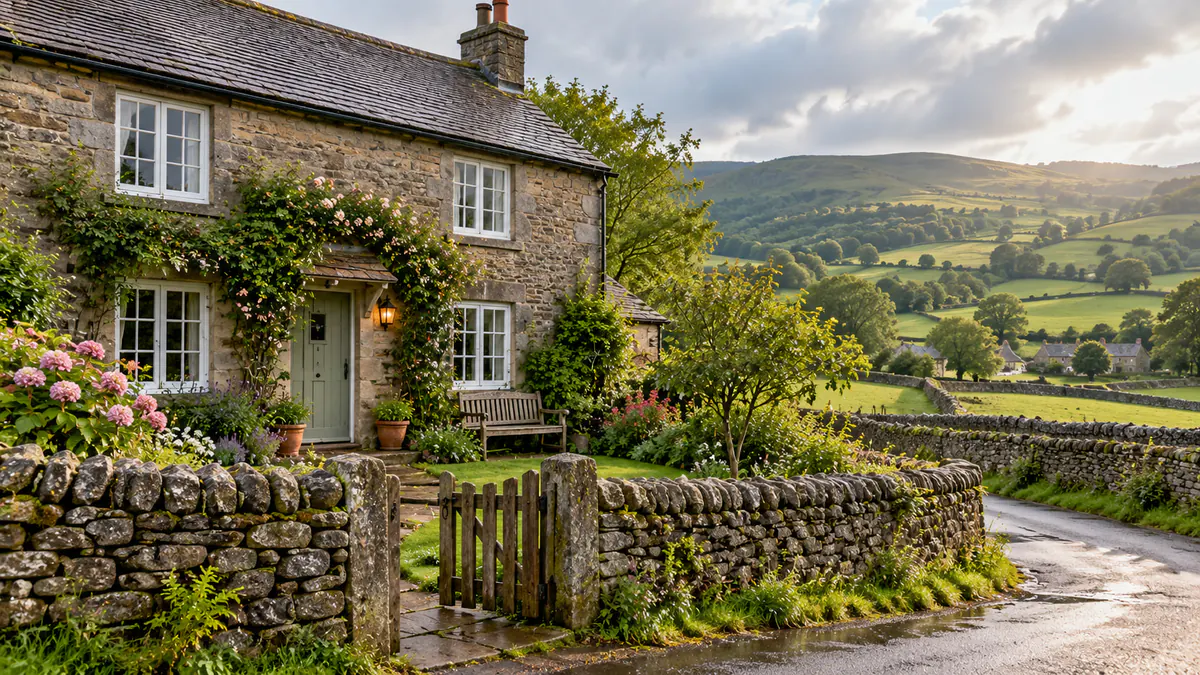
Who needs a certificate
The 1992 Order sets out statutory categories of tourist accommodation. Each has its own standards and its own certificate:
- Self-catering — a house, flat, cottage or chalet let to visitors, including whole-home Airbnb listings;
- Bed and breakfast and guest house;
- Guest accommodation;
- Hostel;
- Hotel;
- and the remaining statutory categories, such as campus accommodation.
The test is simple: are you offering overnight accommodation to tourists for a fee? If so, you need the certificate before you trade — not after your first season.
The penalty for trading without one
Tourism NI is blunt: “It is illegal to offer tourist accommodation in Northern Ireland without a certificate from Tourism NI.” Offering uncertified accommodation can lead to a fine of up to £2,500, up to six months’ imprisonment, or both. Claiming to be certified when you are not carries the same risk. Insurers may also refuse claims from uncertified properties, which in practice is often the bigger danger.
Getting certified, step by step
- Pick the category that matches what you offer. A flat let whole is self-catering; rooms in your own home with breakfast are B&B.
- Sort the basics: planning status, building control where you have altered the property, a fire risk assessment, gas and electrical safety, insurance that covers paying guests.
- Apply to Tourism NI’s Quality and Standards team, online or by post, with the fee.
- Inspection: a Certification Officer phones to agree a date and visits the property. It must be ready — furnished, safe and as described.
- Decision: approval, approval with conditions, or refusal with the reasons. You can appeal or reapply.
- Trade: once you have the certificate, you can take bookings. It lasts four years.
Planning: Belfast and elsewhere
Certification does not answer the planning question. Belfast City Council says planning permission may be required to use a house, an apartment or student accommodation for short-term holiday lets; it depends on how much the letting changes the character of the property and its effect on neighbours. If you are unsure, apply for a Certificate of Lawful Use or Development to get a legally binding answer before you invest in furnishing. Apartments in shared blocks also need the lease or management company to allow it.
Other rules that still apply
- Guest register. The Immigration (Hotel Records) Order 1972 applies across the UK: names and nationality of every guest aged 16+, passport details and next destination for overseas guests, kept for 12 months. See our guest register guide.
- Fire safety. In Northern Ireland, fire safety in premises is governed by the Fire and Rescue Services (NI) Order 2006 and its regulations; you need a fire risk assessment. Our fire safety guide covers the practical side, which is the same across the UK.
- Tax. Income from a holiday let is taxed by HMRC like the rest of the UK, and since April 2025 under the ordinary property income rules — see holiday let tax after the FHL regime.
- Data protection. Guest data, ID scans and CCTV are covered by UK GDPR, enforced by the ICO.
The reform on the table
From 14 October 2025 to 6 January 2026 the Department for the Economy and Tourism NI consulted on modernising the statutory regulation of tourist accommodation — the minimum quality standards and the legal requirements for all eight categories. Officials have said that any changes need new or amended primary legislation passed by the Assembly. Until then, the 1992 Order and today’s certification process apply. We will update this guide when a bill is published.
Frequently asked questions
Does an Airbnb in Northern Ireland need Tourism NI certification?
Yes. If you offer overnight accommodation to tourists for a fee, the platform you use makes no difference. A whole flat or house let to visitors is a self-catering establishment and needs a certificate before the first booking.
What is the penalty for operating without a certificate?
Tourism NI states that offering accommodation without a valid certificate is an offence carrying a fine of up to £2,500, up to six months’ imprisonment, or both. Describing accommodation as certified when it is not is also an offence.
How long does certification last?
Certificates are valid for four years, and statutory inspections take place every four years. A certificate can carry conditions that require further work.
Do I need planning permission as well?
Possibly. Certification and planning are separate. Belfast City Council says planning permission may be required for a house, apartment or student accommodation used for short-term holiday lets, depending on how much the use changes. You can apply for a certificate of lawful use to get a binding answer.
Is certification changing?
The Department for the Economy and Tourism NI consulted from October 2025 to January 2026 on updating the minimum standards and statutory requirements for the eight categories. Any change needs new legislation from the Assembly, so the 1992 rules apply until then.
Does the England register or the Scottish licence apply in Northern Ireland?
No. Northern Ireland has its own system — Tourism NI certification — and the English register and Scottish licensing do not reach it.
Try it free
30 days, no commitment and no card. Setup takes minutes, and we help you personally with the first steps.
Start freeSources
- The Tourism (Northern Ireland) Order 1992
- Tourism NI — Getting started in accommodation: what do you need to consider?
- GOV.UK — Tourist accommodation certification (Northern Ireland)
- Belfast City Council — Short-term holiday lets and planning
- Department for the Economy — Consultation on the statutory regulation of tourist accommodation (14 October 2025 – 6 January 2026)
Rules last checked on 15 October 2026.